
Understanding different types of gambling: Games of chance versus skill
Defining Games of Chance
Games of chance are defined primarily by the randomness involved in their outcomes. In these games, players have no control over the variables that influence the results. Common examples include slot machines and roulette, where outcomes are determined entirely by luck. The allure of games of chance lies in their simplicity and the thrill of potentially winning a substantial amount of money with little to no effort.
Online gambling platforms such as online pokies offer a vibrant experience revolving around games of chance. These games attract a broad audience, as they require no prior knowledge or specialized skills, making them easily accessible to all. The unpredictability of winning can create a captivating atmosphere, drawing people in with the hopes of winning big.
Additionally, the bright lights and engaging sounds of physical casinos or online gambling sites enhance the overall experience, further enticing players to participate. The social interaction, whether in-person or online, can amplify this excitement, as players share moments of suspense and celebration.
Understanding Skill-Based Games
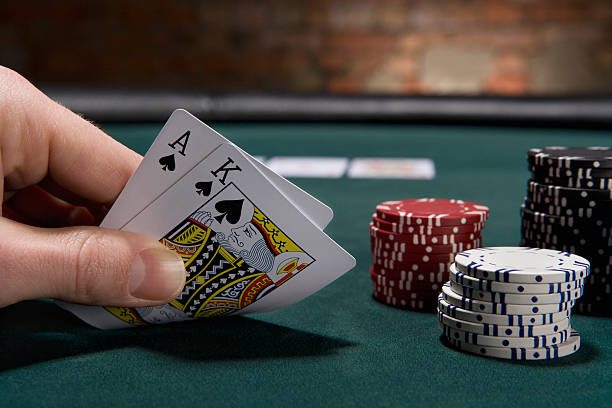
In contrast to games of chance, skill-based games demand a level of strategy and expertise. Players in these games can influence the outcome through their decisions and maneuvers. Popular examples include poker and blackjack, where understanding the rules, calculating odds, and employing strategic thinking can significantly increase the likelihood of winning. The interplay of skill, psychology, and luck makes these games particularly engaging.
Moreover, the competitive nature of skill-based games often leads to a more immersive experience. Players frequently invest time in honing their skills, studying strategies, and even analyzing opponents. This cultivation of talent adds depth to the gaming experience, fostering a sense of community among enthusiasts who enjoy both the challenge and social aspect of these games.

Furthermore, many players take part in tournaments and leagues, where skill is put to the test against others. The community in skill-based games often extends beyond playing, with forums and clubs where players discuss strategies and share tips, thus enriching their collective experience.
The Psychological Appeal
The psychological dynamics between games of chance and skill are profoundly different. In games of chance, players often experience heightened excitement and anticipation due to the unpredictability of outcomes. This adrenaline rush can be addictive; the thrill of possibly winning can overshadow the reality of losses. Such dynamics primarily account for the massive popularity and engagement seen in chance-based games.
Skill-based games, on the other hand, encourage a sense of accomplishment and personal growth. Players may derive satisfaction from mastering their crafts and consistently improving their performance. Achieving tangible success through skill can lead to a more fulfilling experience, as victories feel earned rather than based purely on luck. Understanding this psychological distinction aids players in choosing the gambling type that best suits their preferences and motivations.
Moreover, the competitive aspect can generate a sense of belonging and community among players who seek challenges. This bond can enhance their enjoyment and keep them engaged over long periods, as interactions and shared successes create lasting memories.
Regulations and Perceptions of Chance vs. Skill
The legal landscape of gambling often categorizes games into chance or skill, influencing their regulation and public perception. Games of chance may face stricter regulations due to their inherent unpredictability and potential for addiction. Governments often aim to protect consumers from harm, leading to more rigid policies and ownership structures for these types of games.
Conversely, skill-based games may enjoy a more lenient regulatory environment. The reason for this is the belief that individuals should be allowed to exercise their skills in pursuit of winnings. However, the ethical implications surrounding skill games remain a topic of debate. For example, lawmakers often grapple with defining the balance between skill and chance, as this can have significant implications for everything from licensing to taxation.
Additionally, public perception often views skill-based games as more socially acceptable compared to those of chance, which can be seen as purely exploitative or dangerous. This distinction plays a crucial role in shaping policies and influencing the popularity and availability of various gambling forms in society.
Exploring Our Website for More Information
If you’re eager to deepen your understanding of gambling dynamics, our website offers a wealth of information on various gaming options, including in-depth analysis of both games of chance and skill. Whether you’re a seasoned player or a curious newcomer, you’ll find resources tailored to your interests and needs. Our experts provide insights that can help you navigate the often-complex world of gambling.
Additionally, we feature a community forum where you can connect with fellow enthusiasts, share experiences, and discuss strategies for both types of games. By engaging with our website, you can broaden your knowledge, refine your skills, and find entertainment tailored to your specific preferences in gambling. Your journey into the diverse world of gambling begins here!


Leave a reply